


Live from the Desert.
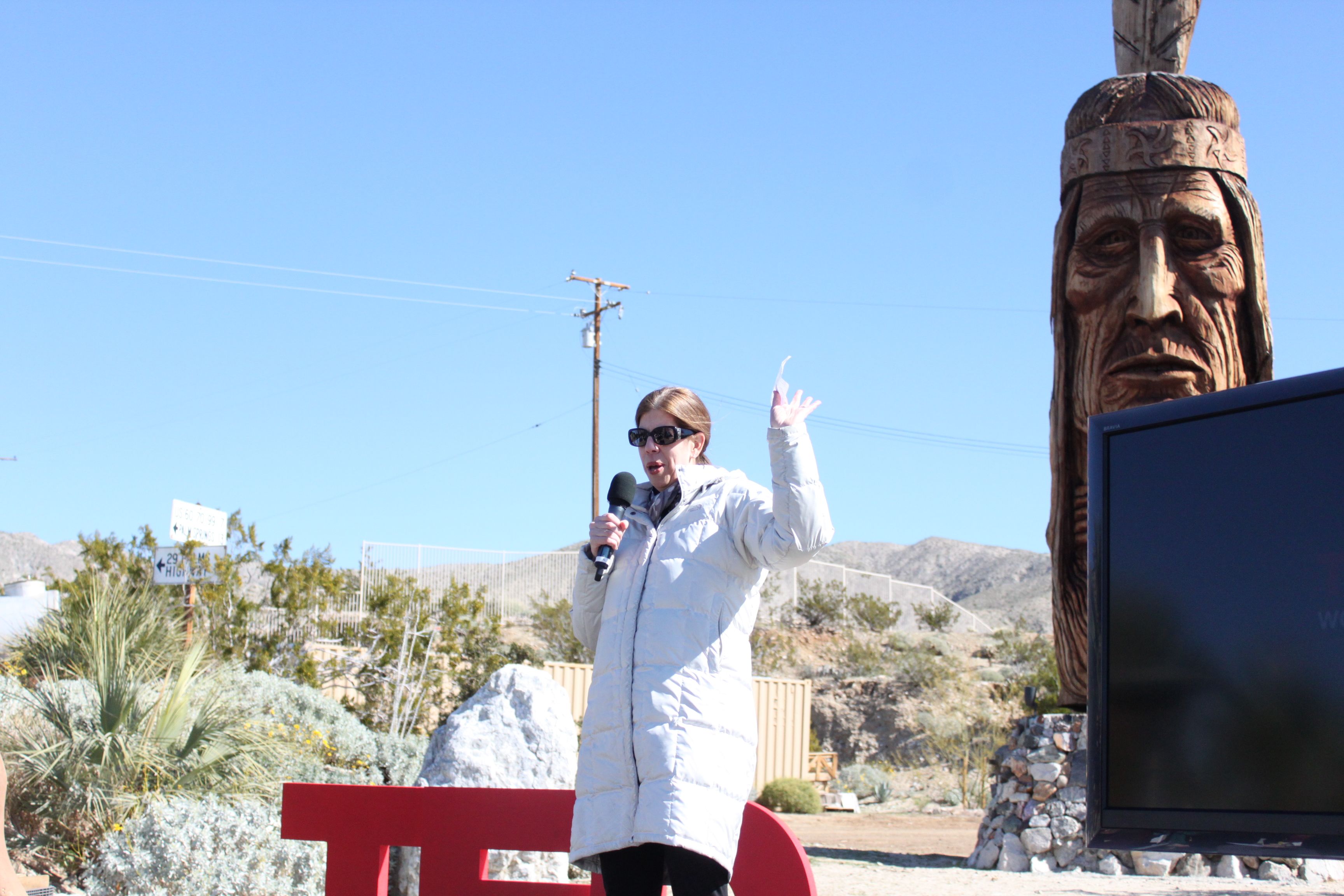 Palm Springs, the TED staff held a special workshop day for TEDx organizers. I gave a brief presentation on speaker preparation to my peers and
Everyone needs a story
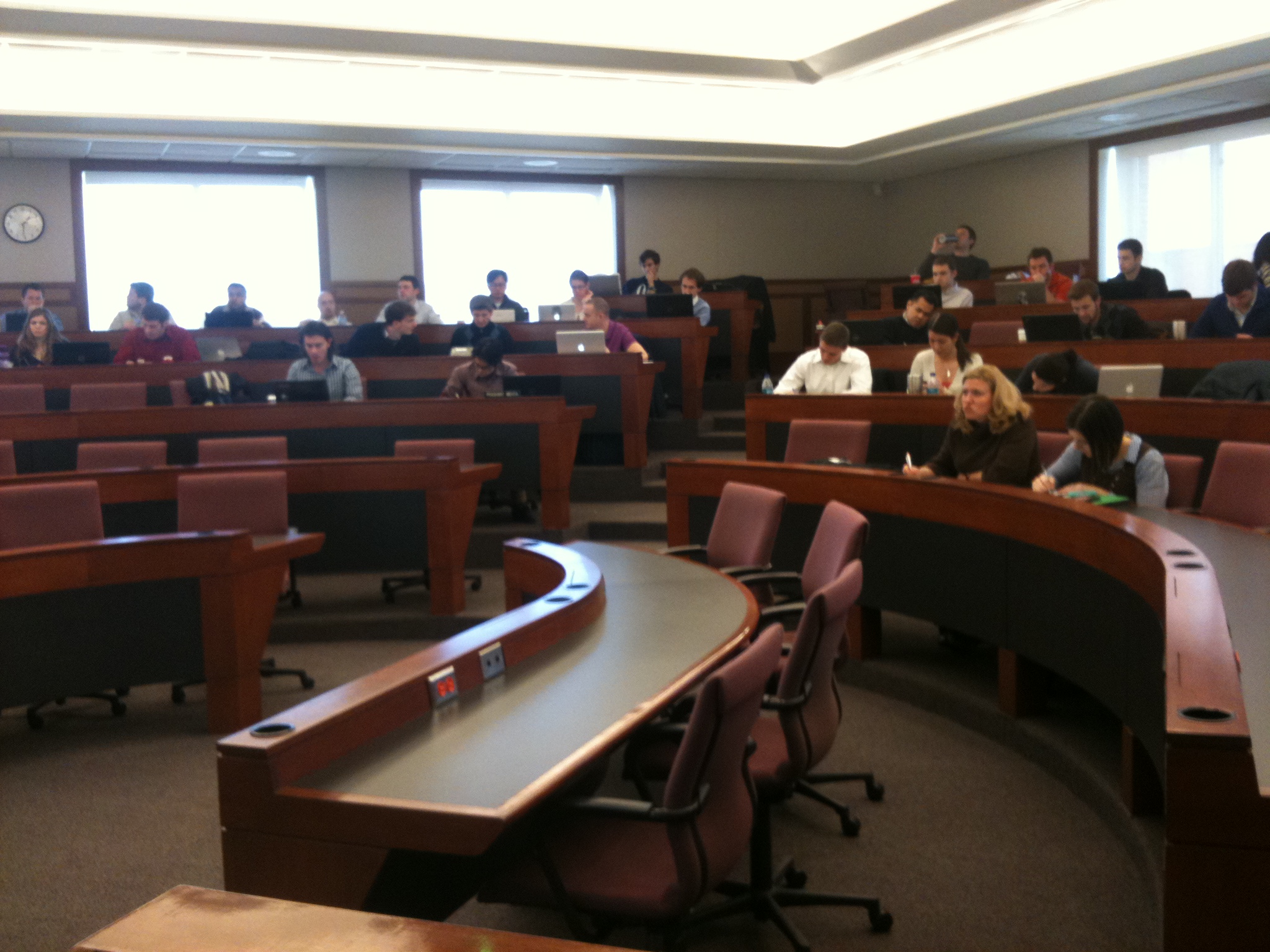 So she sat looking suspicious at me from the middle of the room. I was pretty sure she didn’t ‘buy’ what I was selling about the need to have your own signature story. After all, this is a group of highly motivated, intelligent and soon to be MBA’s from the Fisher College of Business.
There it came. “I don’t see any reason why anyone else needs to know our story,” she blurted out after seeing two colleagues get up and recite what they thought were each other’s “signature” stories.
I wanted to reply, “What do you have to hide?” But instead, posed the question back to the group. The answers I got were expected: So someone can refer you, so people know what you don’t want to do, so you can have a reputation in the field of your choice, and so on. I suspect her question was rooted in a disdain for people knowing her personal life. But we all have different stories about ourselves, and the one I tell about my tennis career or being a mom rarely comes out when I’m coaching or teaching public speaking, presentations or storytelling. It isn’t relevant.
But it was reinforced to me, in this Leadership and Professional Development Program class that I was teaching on Storytelling, that not everyone is comfortable telling their story – even if they want to.
That was evidenced later in the class by a young woman of Asian decent who was distraught. She wanted to share her story and her great achievements, but her culture, she explained, held her back. After a few minutes of explaining the different ways of overcoming that barrier, she found some freedom in being able to talk about the problems she’d solve, not just the trophies she’d won. She honored me with a blog post reflecting on this experience, and I’d like to honor her for being wholehearted, knowing she was vulnerable but had some interesting things to share. That, to me, was a great story in and of itself.
No CommentsConvert the conversation to a presentation
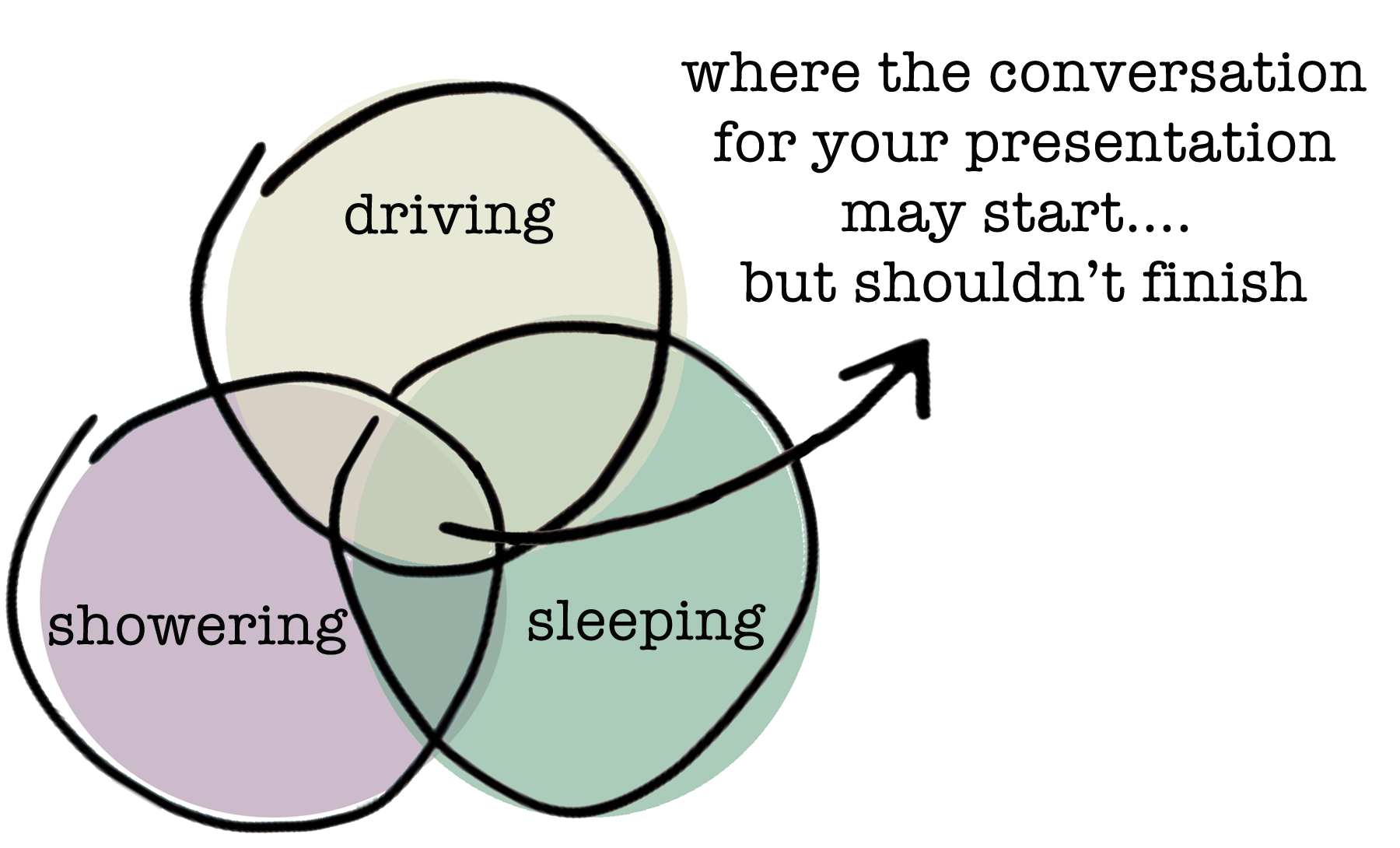
Every conversation we have is with ourselves. And on occasion it involves someone else.
Every time I repeat this quote, I get a good chuckle out of my audience. It’s the nervous kind, that says, uh, you are probably talking about me.
Last week when I was teaching a class of MBA students at the OSU Fisher College of Business on how to develop their signature stories as they enter the workforce, one of them got up and started giving her talk.
But it was really a conversation she was having with herself. It just happened to be in front of her 60 peers and me.
This month’s tip is one we take for granted: Convert the conversation to a presentation.
I see this all the time in my public speaking and presentation training, and not just with students. An executive will forget that they have a specific message to deliver and they just start rambling. And what they are really rambling off is that conversation they’ve been having – most likely with themselves. You know this pain.
So, are your presentations for your audience or yourself? Are they thoughtfully planned stories with which your audience can relate or… did they just get crafted from a dream, a book, a meeting or even disaster that happened to you recently?
Make sure when you draft your talk or presentation, it starts not with “what do I want to share today,” but rather, “what will my audience care to hear?”
And that’s when you become a convert. Your audience will be one too – a fan of your talk and your message.
No CommentsTalkback: The way you move.
Note: This is the first in an ongoing series of reviews of live talks called Talkbacks that we’ll be posting on ar.tic.u.la.tion. Some reviews will be full critiques while others will share inspirations from the viewing experience.
Jim and Nancy Petro have risen to the top of the many lists in their lives. Jim was once Ohio’s Attorney General and Nancy has been a leader in various business endeavors. But today, their talk was about their work on those who have been wrongfully convicted.
Since they were interviewed by a Columbus Dispatch reporter, their talk was classified more as a conversation than a speech, lecture or keynote. I was struck however, by a comment they made regarding how evidence is collected from eyewitnesses during an investigation.

I’ll paraphrase here:
“When collecting eyewitness data, the investigator should not have any knowledge of the case or what the ‘truth’ might be. If they do, their non-verbal and body movements (such as nodding, facial expressions, open or closed stance, nervousness) can directly impact that response that an eyewitness gives.”
In other words, a person’s life or death can be hung on the non-verbal reinforcements of a police officer or other investigator who knows the answers when questioning the eyewitness. If they are unaware of the situation, then their non-verbals will have little to no impact on the answers. And as such, may not sway an eyewitness one way or another.
The takeaway: we have little idea the big impact our nonverbals have on our everyday communication – let alone our critical communication.
I’ve discussed this before, especially in the case of Jamie Oliver’s TED talk (and his 100 steps in the first 3 minutes) that show his nervous energy. And I certainly focus heavily in our coaching on the impact that hand gestures, stance, pacing and head movements have in helping to communicate – or present a barrier to communicating – a message. That is not new.
So could an innocuous nod, an unsuspecting squint, a pursing of the lips, a shift of the eye, a petting of the chin, a tussling of the hair really seal someone’s fate in a process of being convicted? Perhaps for a crime they didn’t commit?
Jim and Nancy Petro think so. You’ll see it in their eyes when they tell you about it.
No CommentsFail Better, for sure!
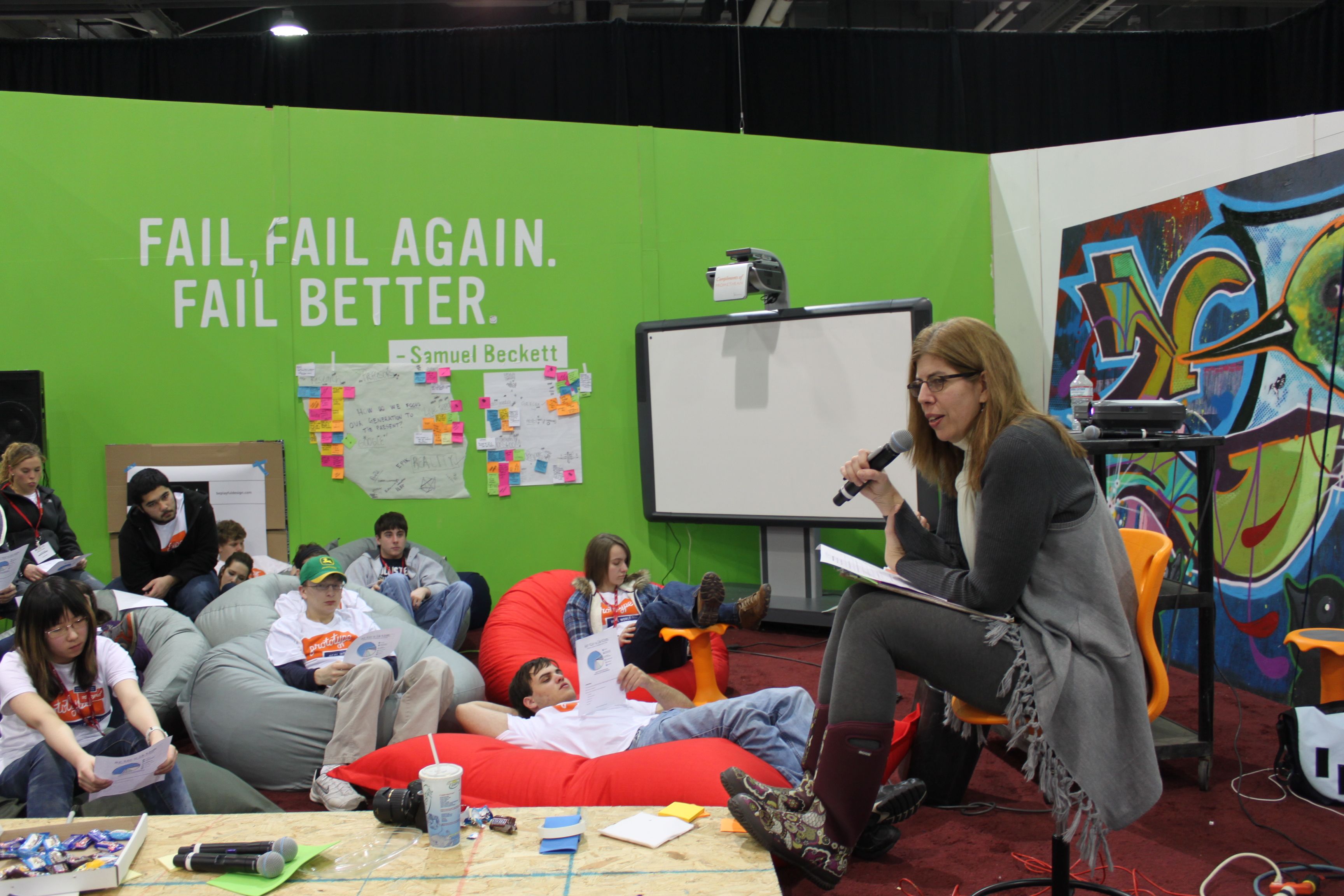 This group of junior and high school students took over a big, open, colorful studio space filled with German-designed, state-of-the-art, learning-inspired furniture created within the confines of the convention hall / trade show, and were broken down into six teams and given a challenge: design a solution to any problem you want to solve. You’ll see the mantra that hovered over them daily: Fail, Fail Again. Fail Better!
Over the course of the three days, they are lightly guided by outstanding designers and educators organized from Be Playful, an collaborative consultancy working on re-designing learning environments to be more innovative and creative. It should be noted that this “Prototype” was a sample of more sustainable endeavor Be Playful is testing.The e-tech Ohio conference where they were being hosted was a great partner in helping them incubate it – and gave otherwise sullen attendees a live, interactive glimpse of how learning can be dynamic and well, playful.
Their assignment was to come up with a 15 minute presentation to unveil both their perceived problem (half the battle, right?) and recommended solution to a sophisticated jury of professionals from the design, arts, information technology, retail planning, media and more. My role was to address the 30+ students to prepare them for their juried presentation.
At the end of my short overview of a compelling pitch, which included using the five key questions on how to build a story (any story) from Save the Cat , I was then peppered with questions. Many questions. I found them to have a beautiful naiveté that we take for granted when we’re older, more sullen and feeling like giving a presentation is more a chore than an exploration and learning.
I thought I’d share a sampling of those queries, with a summary of my answer beneath each.
Q: We have 5 great ideas, how do you expect us to come up with one?
A: Then you aren’t ready to present. The jury wants to hear one great idea with some strong proof points. If you give them five, you haven’t found the right theme or connection between the ideas — OR you haven’t killed enough of your little darlings.
Q: What happens if you have a really good idea but not a great presentation? What if is is all over the map and sloppy? Do you think we’ll still have a chance of winning?
A: You may come in second, but rarely will you win. Because someone else will likely nail both the idea and the presentation and outshine you.
Q: Why shouldn’t we introduce ourselves at the beginning of our presentation? How will the jury know who we are?
A: Earlier I advocated for a strong opening hook, one that grabbed the jury from the first minute and made them want to follow the story. If you want your opening hook to be “My name is Kate, his name is Bill and that over there is Susan” feel free. But wouldn’t it be better for them to hear your great idea and why it matters at the top — since you should always give them the most important information first? There will always be time later in the presentation to explain who you are since that matters less than the idea you are presenting – at least for the first few minutes.
Q: How do you know who should be your team spokesperson?
A: As you look around at your team I can see the anxiety of group dynamics trying to decide, who should talk? This is a part of the leadership process you should embrace in this workshop! Here’s a few non-negotiables that I’d look for in choosing your spokesperson:
– Someone that can speak with limited notes (to assure to stay on message) but not someone who has to read.
– Someone who is not nervous and speaks too fast or with too many gesticulations (a clear sign of nervousness)
– Someone who is not afraid to engage with the jurors in a conversation – ie look them in the eye, talk to them one-on-one
Q: Then what should the rest of the team do if we aren’t speaking?
A: Have you ever seen a spouse on stage next to their politician wife or husband? They are supportive. They look engaged. They try to connect with the audience as well. The completeness of your team relies on your being present, too. Even if you aren’t uttering a word. Conversely, you can be the Q & A team – providing subject matter expertise or supporting your spokesperson to give him/her a break.
Q: What is better, a presentation with or without visuals?
A; If you can’t tell the story of your idea without visuals, then you don’t need any — yet. Visuals are used to SUPPORT your story / pitch – not to make it for you. The more compelling the story, the less visuals you need. I challenge the efficacy of slides in the Pecha Kucha model but know it’s helpful when a specially designed visual of a complex idea can be real aid in the oral delivery.
Q: How do we interact with the judges? They want us to “get to know them” but I’m not sure what to do with information we find out.
A: Wouldn’t it be helpful to know if all of your judges had PhDs in electrical engineering when your idea you are presenting has to do with dance therapy? Perhaps you’ll need to explain some more baseline information than if they were all advanced degree holders in dance therapy. It’s the first place you start in preparing your presentation: know they audience. And during the presentation, if you can call out someone that may have a relevance to your topic, which is one of the five rules of a good story: it’s relevant to me. That leaves only 4 more to go!
Q: How much time should we take for the presentation vs. allow for judges questions?
A: Since you were given 15 minutes total, factor in that you want them to be engaged — and be encouraged to ask questions. So make the pitch for half the time. But then again, if you have a complex idea to share, it may require most of the time. I’d suggest that, whatever you do, make sure you stop at 15. It’s the 16th minute that will cause you to be disqualified if all other teams stick to the basic rules. That’s when you know you have failed. Next time, fail better!